Uxolo Pathfinder Awards 2025: Putting funding and ambitions to work

The 2025 winners show development finance becoming bolder, greener, and more structurally inventive than before.

Geopolitical instability is fast becoming a constant, and it is unsurprising that the world’s development lenders continue to prioritise their work with governments, and that developed and comparatively stable markets continue to attract an outsize share of activity. Private capital mobilisation is expanding beyond a use case, but is a long way from dominating the business mix of DFIs and MDBs.
Still, Uxolo’s 2025 Pathfinder Award winners show that development finance is becoming more creative, more blended, and more active in tackling social and environmental challenges.
And blended finance is coming of age. DFIs, multilateral banks, and commercial lenders are increasingly comfortable co-investing using more complex structures — combining guarantees, grants, concessional loans, and commercial tranches. The use of EU-backed guarantee instruments alongside traditional DFI lending signals a maturing toolkit for de-risking investments in frontier markets.
Climate and energy transition feature prominently, whether as electrification in Southeast Asia, solar and storage in North Africa, renewables in Eastern Europe, or decarbonisation support in a conflict zone. Notably, Uxolo’s awards show that climate finance can both support immediate humanitarian needs and long-term green infrastructure.
Innovation in capital markets is another clear signal. The introduction of securitisation vehicles for emerging market lending opens a new channel to global institutional investors, suggesting that development finance is looking beyond its traditional funding base to scale impact. The was more than one smart DFI funding or risk management vehicle to celebrate - but only one winner.
Finally, the awards suggest that leading multilateral lenders are evolving - not just by lending more, but by lending smarter, extending their reach beyond traditional geographies, and leveraging their balance sheets more efficiently.
Mobilisation - Renalfa IPP
This holdco financing for Eastern European renewables developer Renalfa blended multiple DFI and commercial bank tranches. This hybrid financing marks the first time the EBRD has used InvestEU guarantees to facilitate an A/B loan financing.
Financial sector - VP Bank
The AIIB expanded its relationship with Vietnam's VPBank, building on a COVID-era facility with a new financing designed to support electrification projects. The deal - which was expanded from $100 million to $150 million - burnishes AIIB's credentials in climate finance
Fundraising - IFC Emerging Markets Securitization 2025-1
The International Finance Corporation's $510 million inaugural CLO introduces a new funding route for emerging markets lending. In particular, it improves access to global institutional investors for emerging markets businesses.
Renewables - Obelisk
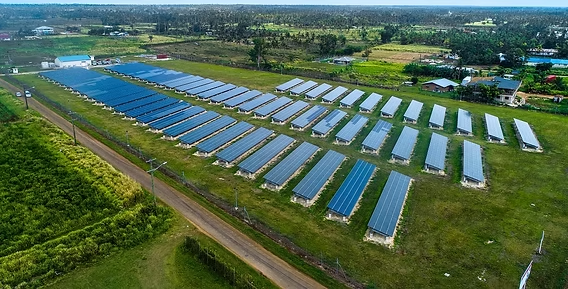
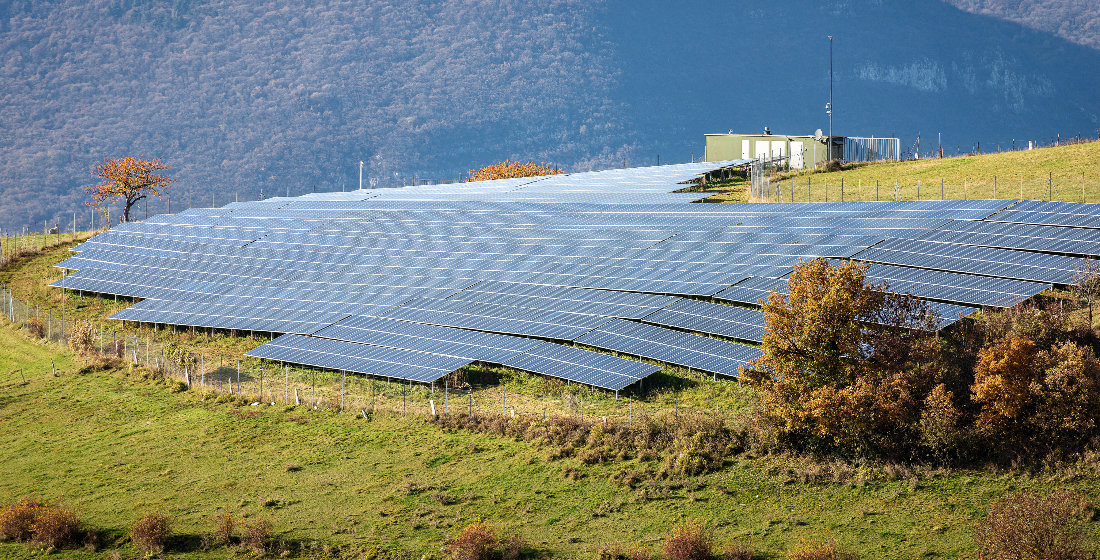
The financing for Scatec's Obelisk solar and storage project in Egypt featured seven multilateral and bilateral DFI and managed fund facilities. It benefited from support from the EU's NDICI-Global Europe instrument, as well as a supportive regulatory framework from the Egyptian government.
Climate finance - Ukraine Emergency and Decarbonisation Support
Grants and lending combine in a financing for Naftogaz that allows Ukraine to retain access to critical fuel supplies at a pivotal point in its struggle against Russia. But the loans' long tenor also allows Naftogaz to make long-term investments in climate assets.
Transport - CUTCSA
Bespoke CAF-led blended package featuring funding flexibility and credit enhancement from a transport trust fund.
Impact investor - Climate Fund Managers
Climate Fund Managers' Climate Investor 2 platform fleshed out the promise of deploying capital at scale for transformative projects in a fast and flexible way.
Development lender - EIB
The EIB has long led the global MDB league tables, but it is now putting capital to work in a smarter fashion, and working more actively outside the EU market.