DFIs shift towards reconstruction in Ukraine

Ukraine is no longer waiting for peace to finance its recovery. But generous terms, layered guarantees, war-risk cover, fund anchors and public balance sheets are taking the place of conventional private capital.
There has been a shift in the types of DFI support heading towards Ukraine. Instead of emergency support and concessional loans, development lenders are now looking to support the rebuilding and development of Ukraine’s economy, and using a wider variety of financial products.
The European Investment Bank (EIB) announced a package worth more than €470 million ($535 million) spanning housing, transport, SME finance and investment funds. The Council of Europe Development Bank (CEB) approved a third €100 million HOME loan for households whose homes have been destroyed.
Fund managers Amber Infrastructure and Dragon Capital reached a €207 million first close for Ukraine’s first dedicated infrastructure equity fund, the Amber Dragon Ukraine Infrastructure Fund I (ADUIF I) – with the EIB, the European Bank for Reconstruction and Development (EBRD), the International Finance Corporation (IFC), Swedfund, and Impact Fund Denmark as anchor investors.
Alongside them, the EBRD and the EU launched new SME guarantees, backed the 189MW Galnaftogaz Wind II project and expanded war-risk instruments. The Black Sea Trade and Development Bank (BSTDB) supplied Ukrainian steel and mining firm Metinvest with a €20 million, seven-year facility for industrial energy resilience, while the World Bank approved the $880 million SPIRIT programme and the US International Development Finance Corporation (DFC) and Multilateral Investment Guarantee Agency (MIGA) agreed a political-risk insurance framework.
Reconstruction alongside development
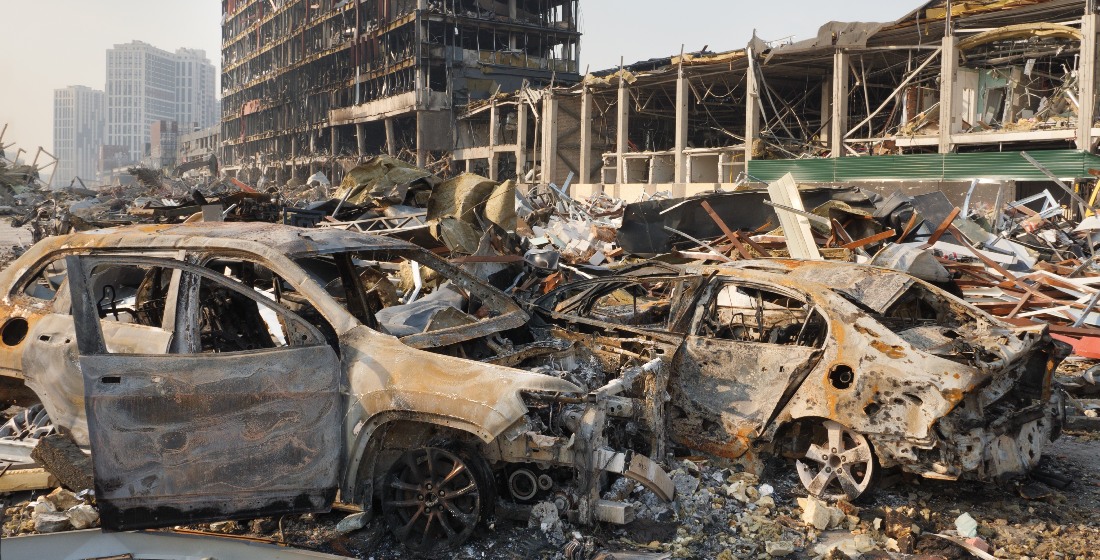
This shift is not absolute. Ukraine is still a country at war, and Russian drone and missile attacks take place daily. But the largest multilaterals have become more comfortable operating in a conflict-afflicted country, and Ukraine’s need for private sector capital is still acute.
“At the beginning of the war, we were indeed providing much more emergency liquidity,” says Arvid Tuerkner, EBRD managing director for Ukraine and Moldova. EBRD then moved into emergency energy repairs, distributed generation and renewables projects, while continuing to finance municipalities and channel capital through Ukrainian banks. Its own risk appetite has increased, Tuerkner adds, allowing donor guarantees to be used “on a much lower scale and through more targeted interventions”.
Matteo Rivellini, head of EIB’s Ukraine Investment Team, rejects the idea of separate wartime and reconstruction phases. “There is no need to think about two different moments,” he says. Railway finance can replace bombed rolling stock while also extending European-gauge track; housing support can meet immediate displacement needs while building longer-term systems; and energy finance can keep services running while tying borrowers to future green investment.
The EIB’s June package is a good example of that overlap. It includes €50 million for social housing alongside a matching EU grant, around €96 million for roads, bridges and border infrastructure, €100 million for green lending through state-owned lender Ukreximbank, partial portfolio guarantees intended to support up to €500 million of SME finance, and an €80 million commitment to the European Flagship Fund for the Reconstruction of Ukraine.
A risk-by-risk architecture
A big feature of this shift in approach is using the local financial sector to channel this reconstruction funding.
The EBRD and the EU’s Ukraine SME Recovery Programme combines €41 million of guarantees with around €5 million of technical assistance and is expected to mobilise at least €135 million. A separate €315 million expansion of EBRD’s intermediated lending platform aims to unlock €2 billion through partner banks. Tuerkner says EU-backed risk-sharing facilities have already enabled more than €3 billion of SME finance during the war.
For physical war risk, EBRD’s Ukraine Recovery and Reconstruction Guarantee Facility supports locally issued insurance with international reinsurance. It has already covered goods and vehicles worth more than €360 million. EBRD’s newer Enterprise Security Enhancement mechanism allows partner banks to provide partial debt relief where financed assets are directly damaged by war.
“Physical war risk is the biggest,” says Tuerkner. “Ongoing attacks create uncertainty, raise financing costs and discourage long-term commitments.”
The more conventional market risk benefits from separate mitigation. The EBRD, the EU and the World Bank are developing the RAMP UP price-stabilisation mechanism for renewables, which the EBRD expects to mobilise more than €1.5 billion for over 1GW of new capacity. The financing for the 189MW Galnaftogaz Wind II project similarly combines long-tenor DFI project finance with EU credit enhancement.
Mobilising equity investments require different partners. The Amber Dragon Ukraine Infrastructure Fund received a commitment from the EIB of €50 million, from the EBRD of up to €60 million, while the IFC disclosed an investment of up to €40 million, part of which benefits from first-loss support.
Rivellini calls this “seed financing” – public capital entering first to establish a structure and track record that other investors may follow. His formula for deepening the market is “reforms, seed financing and nurturing the market”.
Public shoulders beneath private ambition
The Amber Dragon fund creates a vehicle for private infrastructure equity investments where none existed before. The EBRD’s guarantees expand the lending capacity of functioning Ukrainian banks rather than replacing them. DFC and MIGA’s new framework is designed to widen the pool political risk insurance available to private projects.
But EU budget guarantees underpin much of this DFI lending; donor first-loss protection supports bank portfolios and fund commitments; public institutions provide war-risk reinsurance; and DFIs remain among the few lenders offering long tenors to Ukrainian borrowers.
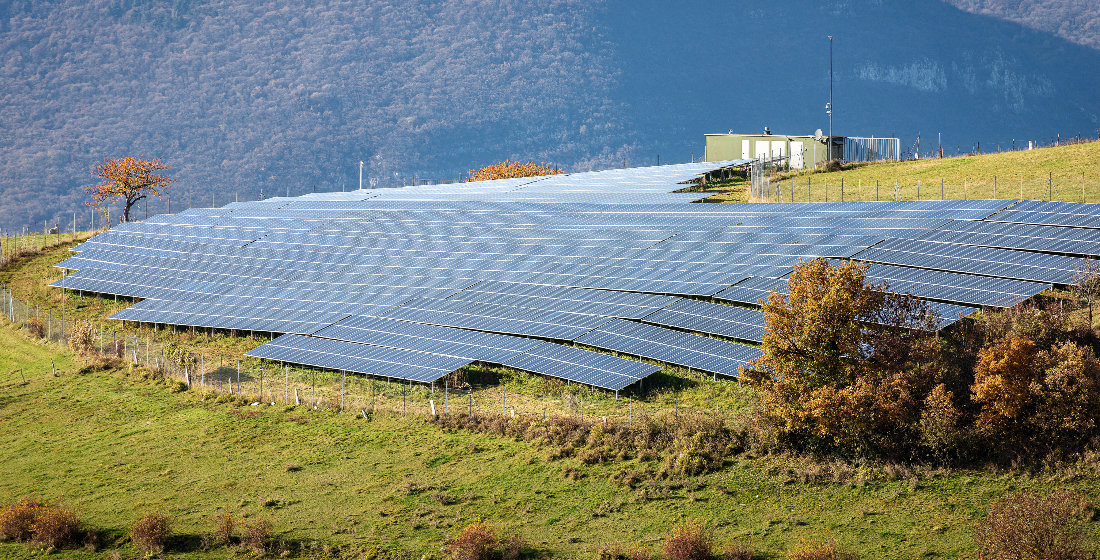
Metinvest’s new BSTDB facility illustrates both the progress that DFIs have made in getting comfortable with Ukraine risk, and how crucial they will be to any closings in the foreseeable future. Its financing will support 37MW of solar generation and critical energy infrastructure. “Industry cannot simply pause investment until the war is over,” says Ildar Salieiev, Metinvest’s chief strategy and business development officer. Long-term finance allows the group to maintain production, jobs and exports despite rapid shifts in security, power supply and logistics.
Yet the transaction also rests on an established DFI relationship dating to 2020, repeated financings and Metinvest’s record of meeting its obligations. Salieiev stresses that “strong projects, financial resilience, transparent governance and a proven ability to deliver all matter”. It is a useful precedent, but not evidence that ordinary commercial lenders have returned at any scale.
Tuerkner is clear: “Few institutional investors would be willing to invest in a country at war.” Scaling investment will require more war-risk insurance and risk sharing, but also transparent procurement, credible regulation, professional corporate governance and continued anti-corruption reforms.
What the capital is buying
Beyond infrastructure and manufacturing investment, DFIs are increasing their support for rebuilding Ukraine’s housing stock. CEB’s third HOME loan brings its contribution to the programme to €300 million. The first two phases supported more than 6,000 households, benefiting around 13,000 people; the latest financing is expected to reach up to 3,000 more households. Eligible families receive housing certificates through Ukraine’s national compensation system.
“Housing must be considered core recovery infrastructure,” says Diana Bertje, CEB senior country manager for Ukraine. Stable housing determines whether displaced people can return, children can remain in school and adults can work. It also supports construction, supply chains and local employment.
CEB’s structure combines sovereign finance with an EU grant and technical assistance, while working through Ukrainian institutions rather than creating a parallel delivery system. Applications, ownership data, damage assessments and certificate use can be digitally recorded, and financing is linked to documented eligible expenditure.
The World Bank’s SPIRIT programme applies similar logic to social protection, combining an $860 million loan with Japanese credit enhancement, a UK guarantee and grant support. The objective is not only to fund benefits for more than one million people, but to align Ukraine’s social-protection system with EU standards.
The Uxolo perspective
The latest wave of Ukrainian financings shows that a country at war can move onto reconstruction, but only when risks are identified and allocated carefully. But they might have application to other mid- or post-conflict societies
Portfolio guarantees through established local banks, sovereign lending blended with grants and technical assistance, locally issued war-risk insurance supported by international reinsurance, and DFI anchor commitments to specialist funds all represent an evolution of existing structures. Long-term corporate facilities need few tweaks but do require understanding lenders. Where borrowers have credible cashflows, transparent governance and a proven relationship with lenders creating that comfort will be easier.
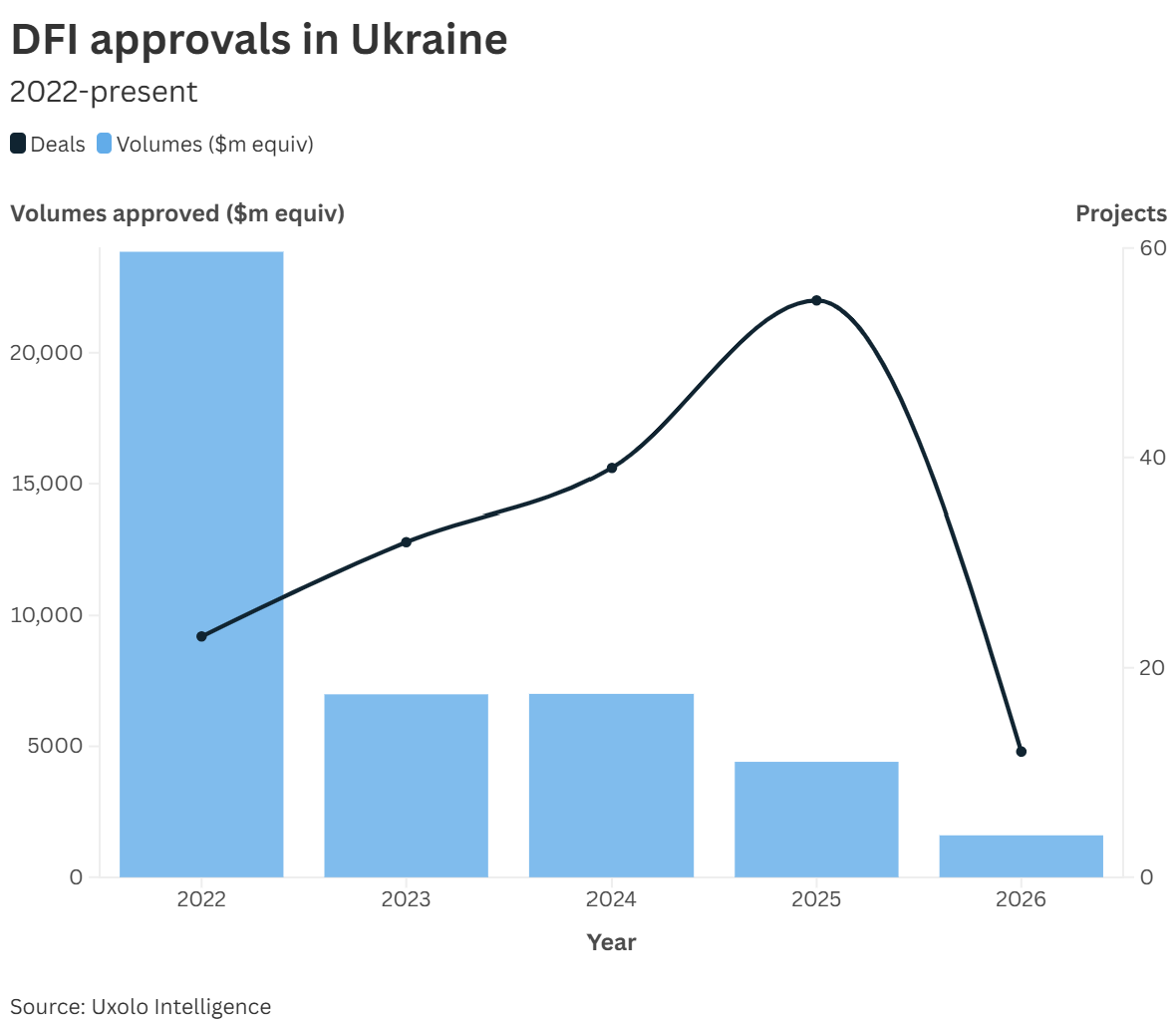
There will be few complaints from private sector lenders that DFIs are crowding them out. Private equity is more likely to be non-existent than expensive. But this pooling of public sector resources through private sector conduits looks like a robust way of maximising the impact of scarce resources in a country facing immense challenges. With overall DFI volumes falling off rapidly since 2022, these creative structures will need to become the norm in Ukraine.